After 25 years of agitation, the ups and downs of China’s recombinant collagen.
Source: vb arterial network
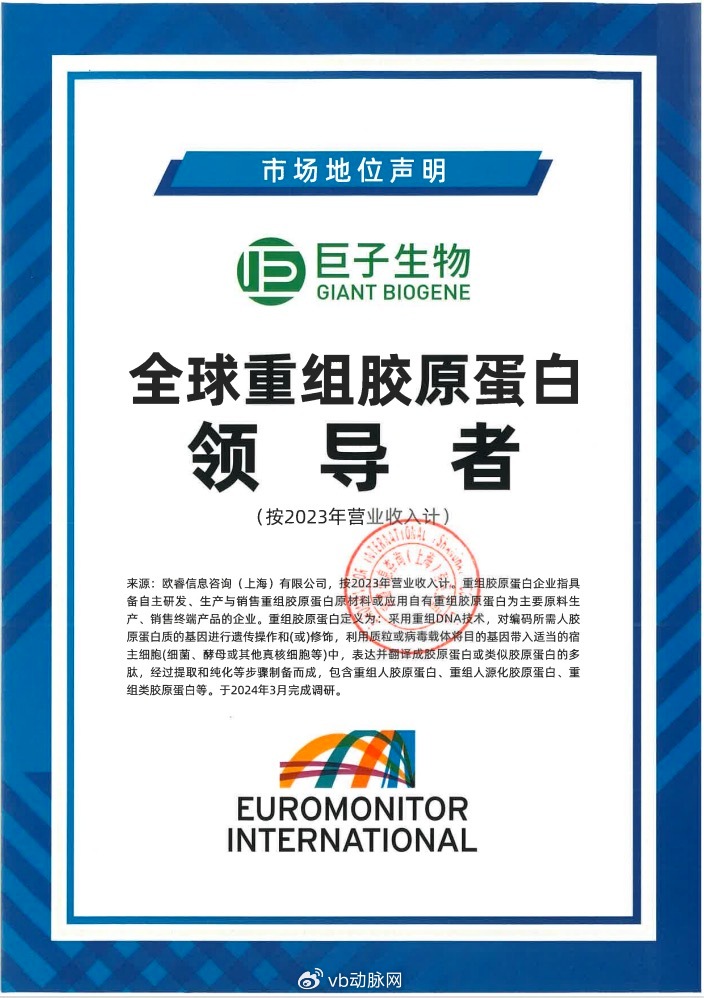
Recently, Euromonitor issued a statement on the market position of global recombinant collagen leader to Giant Bio. For global market participants, the importance of Euromonitor international certification is self-evident. This 52-year-old British research institution is one of the most authoritative and professional strategic market information providers in the world.
For a long time,Supplementing extra collagen is a tireless pursuit of many people, and it has also spawned a huge market.It took more than 4,000 years for human beings to understand and deconstruct this substance, which accounts for 30%-40% of the total human protein, and then manufacture it in batches in the most reliable way. At present, the industrial application of recombinant collagen technology has basically covered the collagen demand in functional skin care, injection beauty and biomedical scenes.
Unlike other raw materials such as glycerol and hyaluronic acid, which are mostly mass-produced overseas and imported to China, the critical growth cycle of recombinant collagen technology happens to be the explosive period of domestic scientific research and transformation strength. Scientists, medical experts and entrepreneurs from China are deeply involved in it, which promotes the application of recombinant collagen from laboratory to skin care, cinema and clinic.
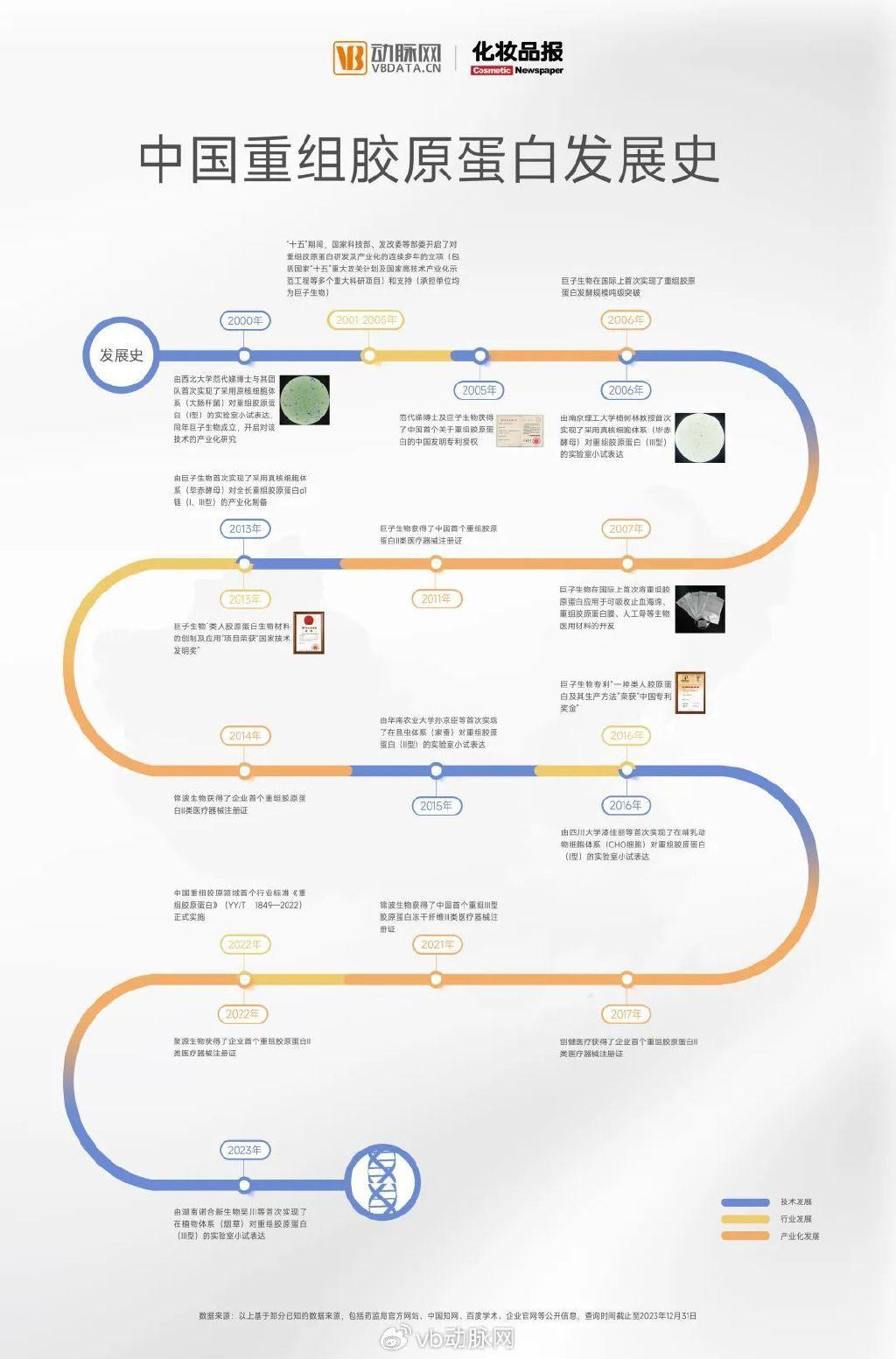
A few days ago, Arterial Network and Cosmetics News jointly published the History of the Development of Recombinant Collagen in China, expounding the ups and downs of this popular raw material. Taking this opportunity, Arterial Network also recapitulates the development process of the global recombinant collagen industry from scratch, and unscrambles the scientific research strength of China, which is becoming more and more important.
Young active ingredients
Putting aside the distant ancient wisdom, human beings really began to explore collagen, starting from deconstructing the microstructure.
In 1940, scientists began to explore the structure of collagen. Just over half a century later, collagen technology has completed the process from initial theoretical research to product transformation. Up to now, the research and development of collagen has gone through three early stages of development, namely, the early embryonic stage of extracting animal-derived collagen, the rapid growth stage of developing recombinant collagen technology based on structural biology and genetic engineering, and the commercial exploration stage of finding possible application scenarios of recombinant collagen.
Among them, the early germination stage began in 1950.In this year, the triple helix structure of collagen molecule was first discovered. In 1958, human beings extracted collagen from bovine skin for the first time. Four years later, UnitedShoe Machinary Company developed the collagen extraction process which can be applied commercially for the first time. In 1976, the United States officially listed collagen products as medical devices for management. Five years later, Zyderm, a bovine collagen implant from Nomex, was approved by FDA. Thus, human beings have mastered a set of methodology to obtain collagen according to their needs.
Animal-derived collagen was all the rage after it went on the market, but it soon encountered waterloo. In 1990s, mad cow disease broke out in Europe, and the market of bovine collagen products was severely shrunk. Later studies show that there are many hidden dangers in using animal-derived collagen in human body. On the one hand, because the production process is simply to physically crush animal connective tissue and then dissolve it with acid-base enzyme solution, unknown viruses are likely to remain in animal-derived collagen. On the other hand, as a foreign protein, animal-derived collagen has relatively high rejection and higher sensitization rate.
We know that it is very difficult to kill the virus carried in animal-derived collagen, and it is even more difficult to reduce the rejection caused by this foreign protein. As a result, some people began to try to synthesize collagen with the advanced recombinant technology at that time. In 1980, American scientists successfully cultivated type ⅰ and type ⅲ procollagen in human skin cells in vitro, which is the embryonic form of recombinant collagen technology.The research and development of collagen has also entered a new stage of rapid growth.
In 1980s and 1990s, it was the golden age of the rapid development of emerging disciplines such as cell biology and bioengineering. With a series of new tools, the research on recombinant collagen frequently broke through key nodes. In 1995, the expression of recombinant collagen (type ⅲ) in insect cell system was realized for the first time in the world by the Institute of Biomedical Science of Terumo Corporation in Japan. In the three years since 1997, scientists have successively expressed type ⅲ collagen, human-like type ⅲ collagen with hydroxylated fragments and α1 peptide chain of human type ⅰ collagen in micro-vectors such as Pichia pastoris, Saccharomyces cerevisiae and Hansenula pastoris. Therefore, the primary product of recombinant collagen can be replicated in the laboratory, and it also lays a basic paradigm for the preparation of recombinant collagen.
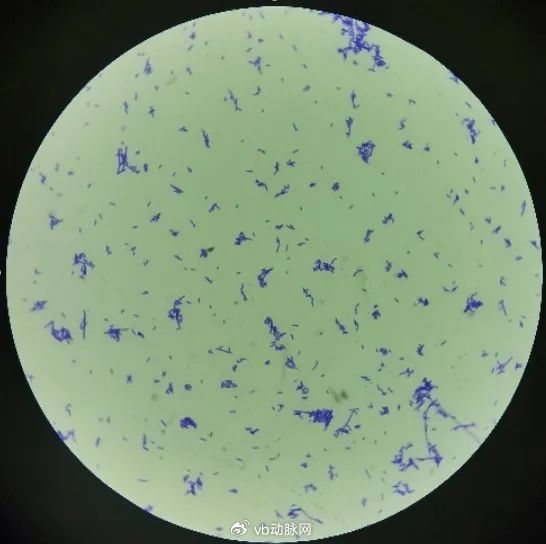
In 2000, another major breakthrough was made in the field of recombinant collagen. The teams of scientists from China and France completed the laboratory trial expression of recombinant collagen in prokaryotic cell system and plant system respectively. Among them, Dr. Fan Daidi of Northwest University in China and his team realized the laboratory trial expression of recombinant collagen (type I) by prokaryotic cell system (Escherichia coli). In the same year, Giant Bio was established, which started the industrialization research of recombinant collagen.
At the same time, domestic regulators attach great importance to the industrialization of recombinant collagen. During the Tenth Five-Year Plan period, the Ministry of Science and Technology, the National Development and Reform Commission and other ministries and commissions initiated and supported a number of scientific research projects for the R&D and industrialization of recombinant collagen for many years. In 2005, Dr. Fan Daidi and Giant Bio obtained the first patent authorization of China invention on recombinant collagen in China.
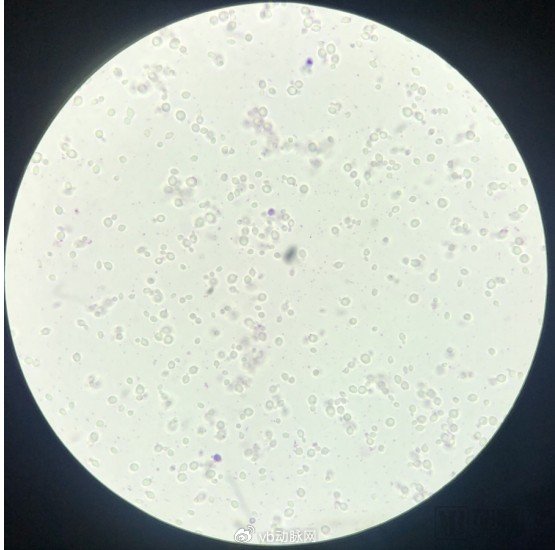
During this period, the development of domestic recombinant collagen technology entered a shining moment. In addition to Northwest University, Nanjing University of Technology, Jinan University and South China University of Technology in the south, Tianjin University and Shanxi Medical University in the north have also set up special research teams, equipped with top academic leaders, and laid out cutting-edge technologies and applied research on recombinant collagen. For example, in 2006, Professor Yang Shulin of Nanjing University of Science and Technology first realized the laboratory trial expression of recombinant collagen (type III) by using eukaryotic cell system (Pichia pastoris) in China.
Since then, domestic scientific research teams have been trying to develop carriers based on animal and plant cells to prepare recombinant collagen, which is at the forefront of the world. In 2015, Sun Jingchen of South China Agricultural University and others realized the expression of recombinant collagen (type I) in the insect system (silkworm) for the first time. In 2016, Qi Jiali of Sichuan University and others realized the laboratory trial expression of recombinant collagen (type I) in mammals (CHO cells) for the first time; In 2023, Wu Chuan, a new Novozyme, realized the expression of recombinant collagen (type ⅲ) in plant cells (tobacco) for the first time in the laboratory.
Compared with eukaryotic cells and prokaryotic cells, the microenvironment of animal and plant cells is more complex, and there are more control factors for expressing recombinant collagen in them. In addition, the microstructure of collagen is complex, and each basic unit is intertwined by three left-handed ι-chains to form a composite spiral structure. It is extremely difficult to establish each new expression system. However, the establishment of expression system is the key basis for the industrialization of recombinant collagen.
Difficult to achieve mass production
Since 2006, the recombinant collagen industry has entered the stage of commercial exploration to find possible application scenarios.At this stage, three problems were solved, namely, the commercial production process construction of recombinant collagen, product compliance registration, and large-scale capacity construction.
In terms of production process constructionFrom the Petri dish in the laboratory to the factory that produces tons of mass, it involves a series of complex process details, such as local metabolite accumulation, flow field environment, inoculation ratio, culture medium formula, dissolved oxygen control, etc., which need a lot of targeted adjustments, and there is no precedent to follow, involving a lot of interdisciplinary professional knowledge. Many early manufacturers who tried to develop recombinant collagen have achieved success in the laboratory, but the expression level is very low, so it is difficult to realize industrial production.
As an enterprise with the largest recombinant collagen in the world, Juzi Bio naturally has a deep research on production technology and achieved many technological breakthroughs. In 2006, Giant Bio achieved a ton-scale breakthrough in the fermentation of recombinant collagen for the first time in the world, and took a key step in the large-scale production of recombinant collagen. In 2007, Giant Bio applied recombinant collagen to the development of biomedical materials such as absorbable hemostatic sponge, recombinant collagen membrane and artificial bone for the first time in the world.
During this period, domestic recombinant collagen enterprises have built processes suitable for commercial production. Among them, in 2017, after Juzi Bio, Juyuan Bio achieved a ton-level breakthrough in the fermentation scale of recombinant collagen.
Above the stable production process, it is the compliance of products.For the recombinant collagen enterprises, the product registration certificate is a battleground, and it is also the first real competition after years of self-cultivation.
The dispute over product compliance has eliminated most participants in recombinant collagen products. At this stage, the registration certificate of Class II and above medical devices is almost the standard for recombinant collagen products to enter the medical device market. And from the early market competition, the first-Mover advantage of product compliance is very obvious, and all of them have obtained the registration certificate of medical devices. In 2011, 2014, 2017 and 2022, Juzi Bio, Jinbo Bio, Chuangjian Medical and Juyuan Bio successively won their first registration certificate of recombinant collagen II medical devices, and the corresponding products were all medical dressings containing recombinant collagen.
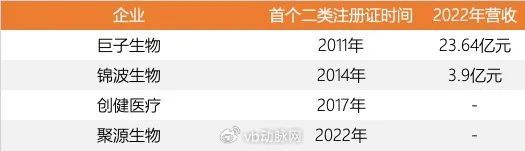
According to the scale estimated in the prospectus of Giant Bio, in 2022, Giant Bio and Jinbo Bio, which were the first to win the product registration certificate, accounted for half of the recombinant collagen. In 2013 and 2016, Juzi Bio’s project of "Creation and Application of Humanoid Collagen Biomaterials" and the patent of "Humanoid Collagen and Its Production Method" won "National Technological Invention Award" and "China Patent Award" respectively.
Of course, the road to product compliance is long and difficult. With the application of recombinant collagen, the class III medical device registration certificate will become a new and higher threshold.
Capacity expansion is an unavoidable topic in the recombinant collagen industry.Although the average unit price of recombinant collagen is much lower than that of animal collagen, it is still an expensive raw material. At present and for some time to come, those who can produce energy will have a greater probability of market. It can be seen that domestic recombinant collagen enterprises have long realized the importance of production capacity.
By the end of 2022, the recombinant collagen production line of Juzi Bio has reached 10.88 tons, and the construction of 212.5 tons of new production capacity has also entered a critical stage. Juzi Bio has become one of the enterprises with the largest production capacity in the world, and its purification and recovery rate have reached 90% after one round of processing.
In addition, Juyuan Bio’s recombinant collagen factory in Zhuji, Zhejiang Province can produce 20 tons of pure recombinant collagen every year after mass production, and the trial production was successful in February 2023. Chuangjian Medical has 30 tons of stable fermentation and purification technology, and the supply of pure sponge is over 3 tons. Jinbo Bio’s 10 tons of type A recombinant humanized collagen was put into production on September 20th, 2023. On December 15th, 2023, Freda officially announced that its recombinant collagen raw material was put into production.
After the early commercialization exploration, the global recombinant collagen market is entering the fast lane. According to Jost Sullivan’s statistics, by 2021, more than 15% of skin care products and more than 8% of cinema products will choose recombinant collagen as the main raw material, and the growth rate of the market scale of recombinant collagen will be much higher than that of other raw materials in the field of skin health, such as animal-derived collagen, boson, alcohol A and peptide.
New cycle of recombinant collagen
Around 2021, the whole recombinant collagen industry began to enter a more standardized stage of commercial expansion.In addition to products, there are brands; Outside the industry, there is ecology. More importantly, domestic recombinant collagen and its products are trying to change the competitive pattern of the global recombinant collagen market.
On the one hand, a more standardized and standard market ecology of recombinant collagen is being established.As a brand-new biomaterial, the lack of uniform product standards is the biggest risk faced by the recombinant collagen industry at this stage, which also limits the possibility of its application in more complex scenes.
The mixed products are one of the first impressions of recombinant collagen products. Therefore, in 2022, China issued the industry standard of Recombinant Collagen (YY/T1849-2022) and the Guiding Principles for the Classification and Naming of Recombinant Collagen, which clarified the classification and naming standards of recombinant collagen for the first time.
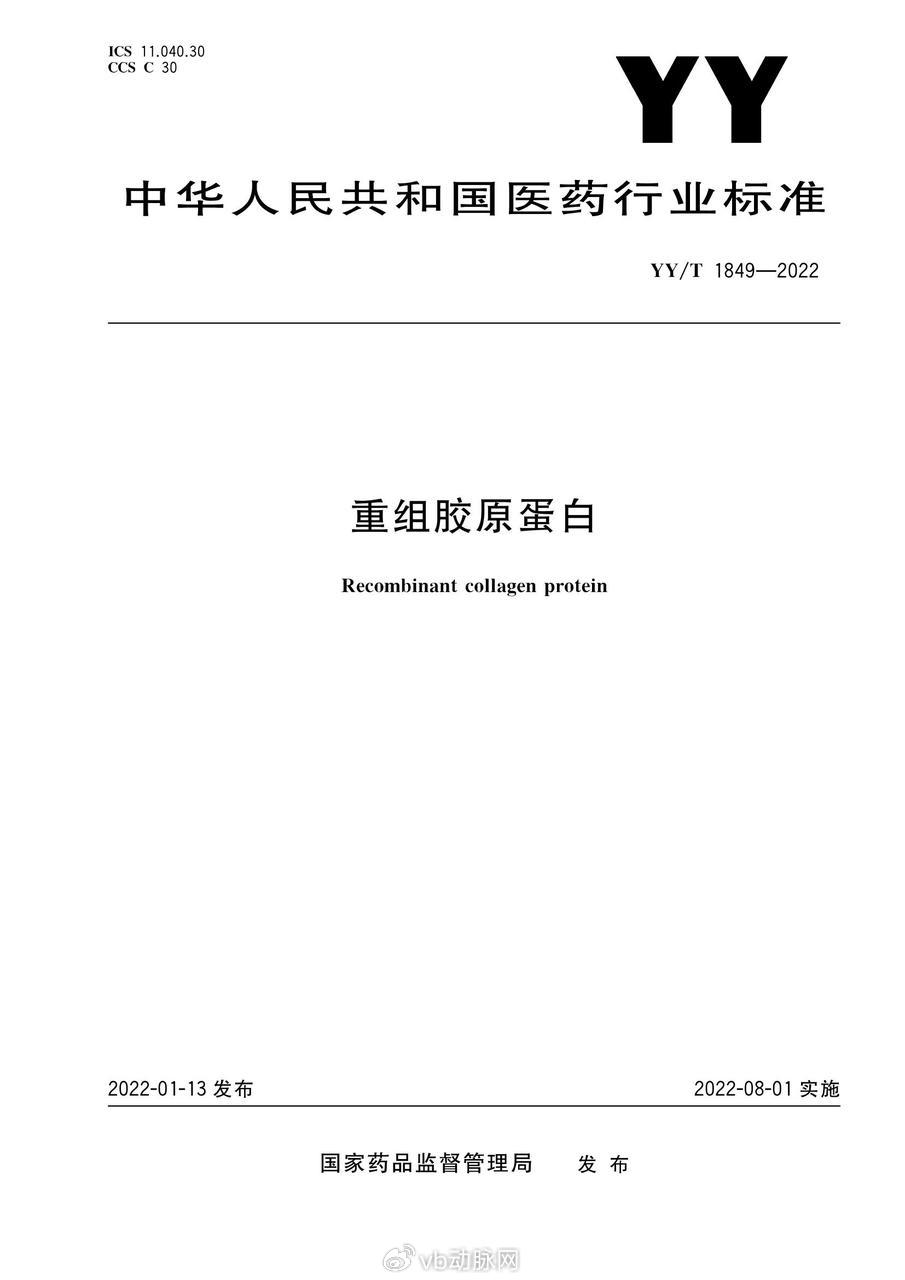
This industry standard is quite strict, and it is clearly classified according to the microstructure and amino acid sequence of recombinant collagen, which forces enterprises to strengthen their internal technical strength. According to industry standards, recombinant collagen can be divided into three categories, namely, recombinant human collagen, recombinant humanized collagen and recombinant collagen-like collagen. Among them, recombinant human collagen has the highest degree of homology, has a triple helix structure, and is exactly the same substance as human collagen; The recombinant humanized collagen is to copy the collagen chain that can achieve a certain effect for many times until the structure similar to the recombinant human collagen is obtained; The degree of homology of recombinant collagen is the lowest, and its amino acid sequence is not completely consistent with human collagen. Some products that tried to play the edge ball were forced out.
On the other hand, expand the application boundary of recombinant collagen.This involves two dimensions, namely, the iteration of mature recombinant collagen products and the breakthrough of new recombinant collagen products.
At present, recombinant collagen is mainly used in the field of functional skin care and class II medical devices, but more imagination may still exist in the cinema scene. However, as a raw material for cinema, the current recombinant collagen is not perfect. For example, as a cinema filler, the full-length recombinant collagen with triple helix structure is obviously superior to single-stranded collagen fragment, but no enterprise has mastered the complete process of producing this kind of recombinant collagen with higher homology, which can undoubtedly become an important technical optimization direction.
In addition, in addition to the already mature type III recombinant collagen, many enterprises are trying to develop related products based on type II and XV II recombinant collagen. Among them, XV ⅱ collagen is related to skin rejuvenation and hair follicle miniaturization. Many enterprises have laid out brands focusing on XV ⅱ recombinant collagen and tried to develop innovative products such as freeze-dried powder and basal injection.
Since the first type I recombinant collagen was expressed in the laboratory, domestic recombinant collagen has been stirring for nearly 25 years. With the giant creature winning Euromonitor certification in March 2024, domestic recombinant collagen enterprises finally stood at the forefront of the global market. However, this is only the beginning of a high starting point. How many surprises the recombinant protein industry can bring depends on how companies at the top of the industry pyramid make every choice in the future.