Cloud for help | The former residence of Liang Yeguang, a martyr in Hejiang, Sichuan, is in ruins. Later generations of Liang: Many people are willing to pay for repairs, but they lack formalities.
01:07
Cover news trainee reporter Zhao Zijun
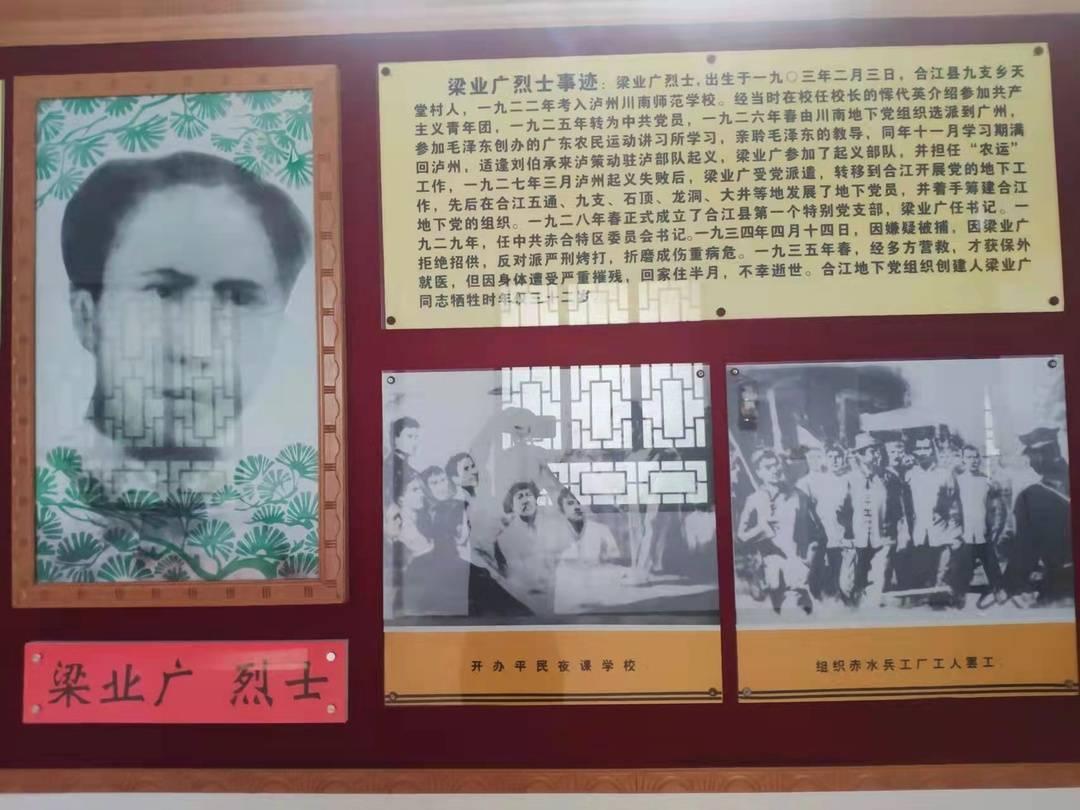
In the revolutionary history of Luzhou in southern Sichuan, martyr Liang Yeguang wrote a brilliant stroke with his short life of 33 years old. In 1925, at the age of 22, he joined the Communist Party of China (CPC), participated in the uprising of troops stationed in Luzhou led by Liu Bocheng, actively spread Marxism-Leninism in Luzhou, and led groups of young people and workers onto the revolutionary road. In 1934, Liang Yeguang was arrested and imprisoned by reactionaries. In prison, he was tortured but refused to give up party secrets. In the spring of the following year, Liang Yeguang was rescued from prison by many parties. However, due to severe physical damage by the enemy, Liang Yeguang died only after returning home for half a month, at the age of 33.
On December 14th, the cover journalist received a call for help from Liang Genfu, a descendant of the Liang family, saying that although there was a tombstone of Liang Yeguang in Hejiang Martyrs Cemetery for people to commemorate. But in fact, the real former residence and grave of Liang Yeguang’s martyrs are in Jiuzhi Town, which has long been ruined because of neglect of protection. "Many of us are willing to invest in the construction, but there is no legal procedure of the government. I am afraid that after the construction, the procedures will be incomplete."
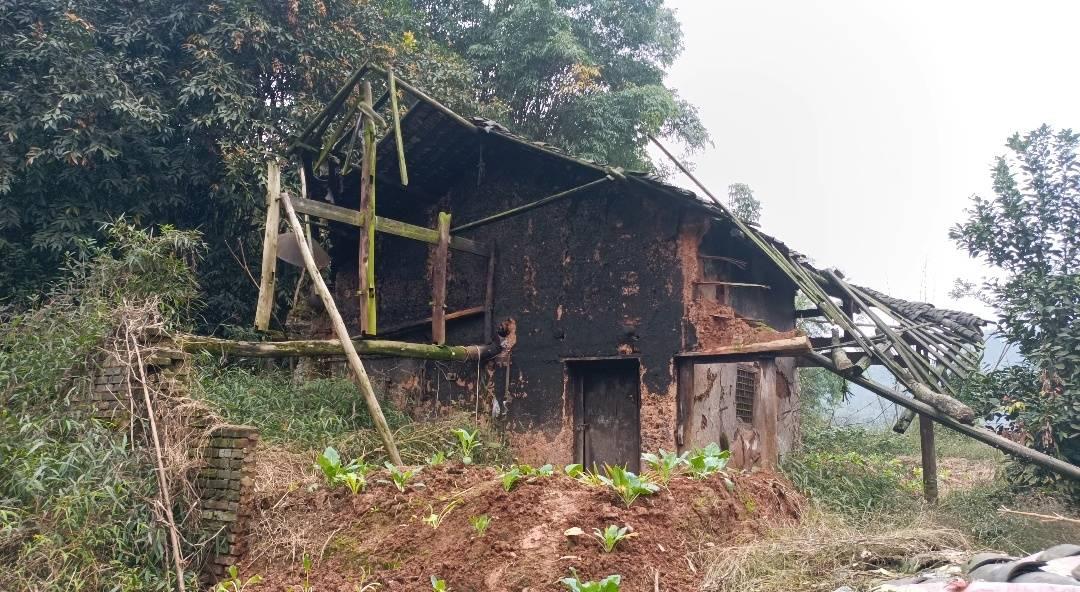
Liangyeguang former residence
Participated in the uprising of troops stationed in Lu.
Drive many people to struggle for the revolutionary cause.
On December 14th, the reporter came to Xujiaci Village, Jiuzhi Town, Hejiang County, Luzhou City, and Liang Yonglu, the nephew of Liang Yeguangtang, told the reporter about Liang Yeguang in his impression. In March 1903, Liang Yeguang was born in Paradise Village, Jiuzhi Township, Hejiang County. He was diligent and studious when he was young, and tried to be admitted to Luzhou Chuannan Normal School. Under the influence of the then principal, Liang Yeguang joined the Communist Party of China (CPC).
"At that time, he was often away from home, and my father said that he didn’t know what he was doing outside." For the revolutionary cause, Liang Yeguang kept running around, went to Guangzhou to attend the Guangdong Peasant Movement Workshop founded by Mao Zedong, and worked as a "peasant movement" in the uprising of the troops stationed in Luzhou instigated by Liu Bocheng. In the spring of 1928, with the approval of the South Sichuan Special Committee of the Communist Party of China, the Hejiang Special Branch Committee of the Communist Party of China was established, which was later expanded into the Chishui Special Branch of the Communist Party of China, and Liang Yeguang served as its secretary twice. Not only that, Liang Yeguang also led many young people and workers to become Communist party member.
In 1934, Liang Yeguang, under the cover of a literary official, broke into Hejiang No.9 Tuan Lian Bureau to engage in counter-insurgency activities. But not long after, Liang Yeguang was arrested by the reactionary authorities and detained in Hejiang prison. In prison, in the face of the enemy’s torture, Liang Yeguang resolutely refused to give up party secrets. In April, 1935, Liang Yeguang was released on bail, but he was so nervous because of his torture in prison that he died the next month after he was released from prison.
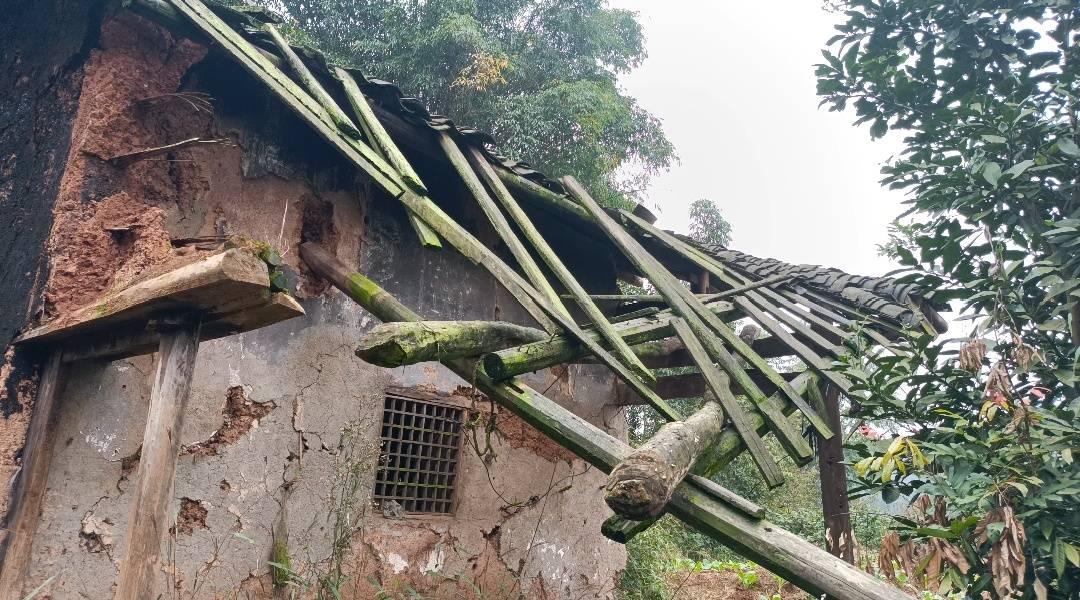
Liangyeguang former residence
Visit the martyr’s former residence on the spot
Only two of the nine houses have been "riddled with holes"
Through the visit, it was found that Liang Yeguang’s tomb was known to the public as Hejiang Martyrs Cemetery, but in fact, Liang Yeguang’s real tomb was still on the hillside of Liang Yonglu’s home, which was already surrounded by knee-high weeds and trees. "Liang Yeguang’s grave has always been here. A few years ago, it was originally said that he would move to Hejiang Cemetery, but I don’t know why he didn’t move there." Liang Genfu, a descendant of Liang Yeguang, said.
Liang Yeguang’s former residence is on the hill opposite the grave. It is understood that there were 9 houses in Liang Yeguang’s former residence, but now there are only 2. "Liang Yeguang’s house is about 200 years old and was built by his grandfather." The reporter saw at the scene that the old adobe house was surrounded by weeds, the wood on the hanging beam was crumbling, the red soil broke through the black wall and was exposed, and Fujiman covered half of the wall.
On the land in front of the house, some villagers planted vegetables. It can be seen that there is no one living, managing and protecting here. "The martyr Liang Yeguang was born, participated in the revolution and died in this house." Liang Genfu pointed to the precarious house behind him and said.
It is understood that before the 1980s, Liang Yeguang’s former residence had been inhabited, and the house was well preserved. Later, the house collapsed. In recent years, due to the lack of protection and publicity, most of the people who came to visit Liang Yeguang’s former residence were Liang clan members and the surrounding people. "This year, the clansmen from Tomb-Sweeping Day and Shenzhen came to inspect and said that they were willing to pay part of the funds for restoration, but they had to go through legal construction procedures."
Individuals contribute to set up signboards and open roads.
Later generations of Liang asked the relevant departments many times.
Heroes should be remembered and spirits should be passed on. Looking at the dilapidated former residence of Liang Yeguang, the descendants of Liang Yeguang also felt pity. "It is a pity to see it, but we can’t help it." The villagers nearby said with emotion.
“梁业广为革命的付出是值得学习的,我想让更多人了解、知道梁业广。”带着这样的想法,2017年5月份,梁根福个人出资设立了四块指路牌,并找挖掘机计划打通到梁业广故居的毛公路,但因手续不当等问题,中途被九支镇政府打断,“我大概挖了10公里,花费了18万左右。”
今年6月,梁根福就修建梁业广纪念馆等问题,先后咨询了九支镇政府和具体部门经发办,“九支镇政府说建立纪念设施和纪念馆他说他们没有权力,要找上级有关部门,超出了权限。经发办给我说要有合江县政府批示,才能批300平方。”梁业广还曾咨询过四川省民政厅、四川省退役军人事务厅、广东农民运动讲习所,“四川省退役军人事务厅说他们也是刚成立,对于烈士纪念馆不太清楚,讲习所的领导倒是说他们会支持我,让我找当地的政府。”
12月14日,梁根福再次咨询了合江县退役军人事务局,该局相关工作人员告诉梁根福,“如果仅仅是想修缮房子,要找住建和国土,以他们的规定来审批。如果是要修纪念设施,要层层申报,村上需要先规划,包括占地等。”
Who is in charge of the martyrs’ former residence?
Lawyer’s response: Who is responsible for the establishment, who is responsible for the management and protection is the basic principle.
Then, who should be responsible for the protection of the former residence of the martyrs? The relevant staff of Luzhou Cultural Relics Bureau told the reporter that whether the former residence of the martyrs can be listed as a protected unit requires experts to investigate and evaluate the life of the martyrs, the historical value of the former residence of the martyrs and its preservation.
Through combing, the reporter found that in the Measures for the Protection and Management of Martyrs’ Memorial Facilities, it is stipulated that martyrs’ memorial facilities refer to martyrs’ cemeteries, memorial halls, memorial pavilions, memorial towers, memorial statues, martyrs’ columbariums, martyrs’ tombs and other facilities specially built in People’s Republic of China (PRC) to commemorate martyrs. The former residence of the martyrs is not among them.
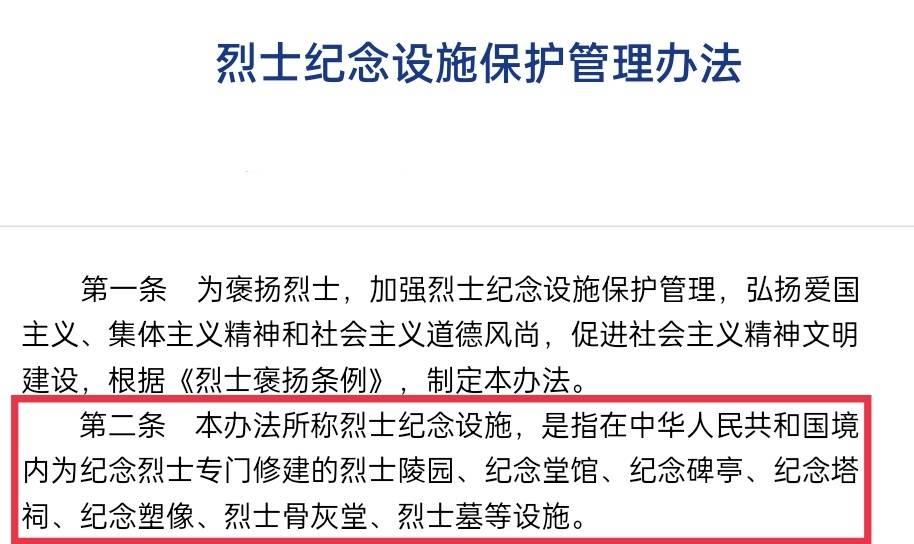
Measures for the Protection and Management of Martyrs Memorial Facilities
"The policies and laws so far have not listed the former residence of martyrs as a memorial facility for martyrs, but they can be considered to be improved gradually." Feng Jun, a member of the Consumer Protection Committee of Luzhou City and a public interest lawyer, said, "Who is responsible for the establishment, who is responsible for the management and protection is the basic principle. If the former residence of the martyrs is established by county cultural relics, it will be protected and managed by the county cultural relics. If it is established by the township people’s government, it will be managed and protected by the township people’s government. It is recommended to take measures for cultural relics management first, and then consider becoming a memorial facility for martyrs in the future. "
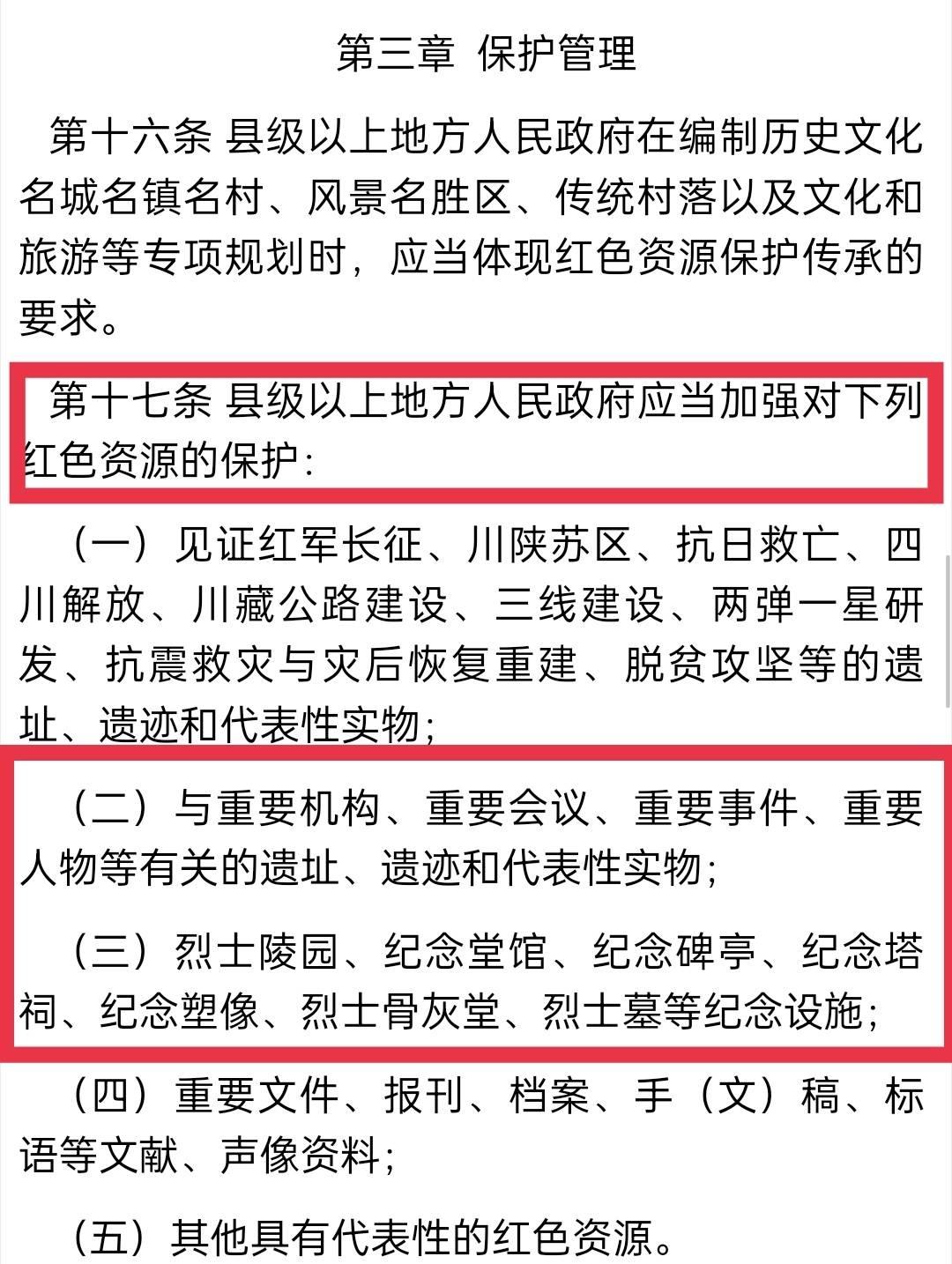
Regulations on the Protection and Inheritance of Red Resources in Sichuan Province
At the same time, the reporter found that Article 17 in Chapter III of the Regulations on the Protection and Inheritance of Red Resources in Sichuan Province mentioned that local people’s governments at or above the county level should strengthen the protection of red resources such as sites, relics and representative objects related to important people, and tombs of martyrs.
Participation mode
1. Enter the cover news and click the bottom of the home page."cloud for help"Suspend the window, you can enter the help platform and divert it to cloud complaints, cloud help and cloud clues. On the help platform, after filling in the corresponding help content, the help information can be uploaded.
2. Open the "Cover News" client and click Enter.Green Banana Page # Cloud Help-Cloud Complaint # TopicOnline message interaction.
3. You can leave a message through the official Weibo, WeChat or Tik Tok account of the cover news and Weibo, the official of Qingjiao Video, to initiate help.
4. You can also call.Hotline 028-86969110, for help.
All the help-seeking contents shall be deemed to have been published successfully after being approved by the editor.
Cover news will be answered and followed up 24 hours a day, and relevant assistance will be provided (to protect privacy, relevant information will be kept confidential, please rest assured).

Reporting/feedback